Global Mailers 24-25
Global Mailers 24-25
Landing in Nairobi marked a leap in my travel experience, leaving my breadcrumb trail behind in the Western Hemisphere. Our group, both students and faculty, entered a space markedly more dense in population and motion than we had experienced yet on our trip. This shift towards density was paralleled in the quantity and expression of public art, and also made itself known in our emotional landscapes as well.
In Nairobi, I felt reality-shifting moments of hurt, and the micro world I was building around my job got turned upside down. Perhaps on purpose, the noise of the city welcomed me into its folds to become lost. Like a doctor pinches the skin of a baby before it gets a shot, my pain was distracted and engulfed by the web of the city and its people. Exhaustion found relief in stimulus. Reflecting on it all now, it seems as if Nairobi took the form of a metaphorical blow-up mallet from a clown show to squeakily hit me atop the head with the blunt truth that the world goes on and so must I.
The world actually shines, cries, drums and weaves rainbows of color and stories and light. And as it lives in my memory, this happens nowhere in the world as much as Nairobi. So let’s dive in.

#6: ‘If you like it… paint it!’
February, 2025
Nairobi, Kenya
accept this postcard from me, as placeholder, en route back to you
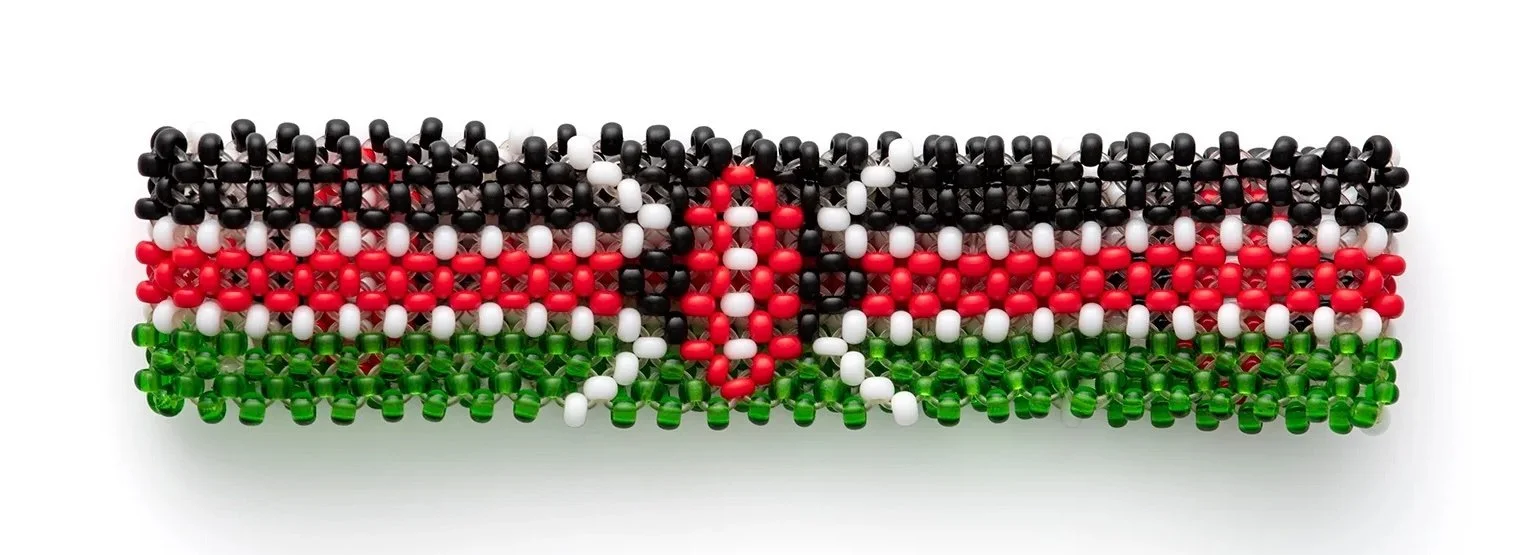
tempera paint, scanned & reprinted, Czech beads | 10x14.8cm
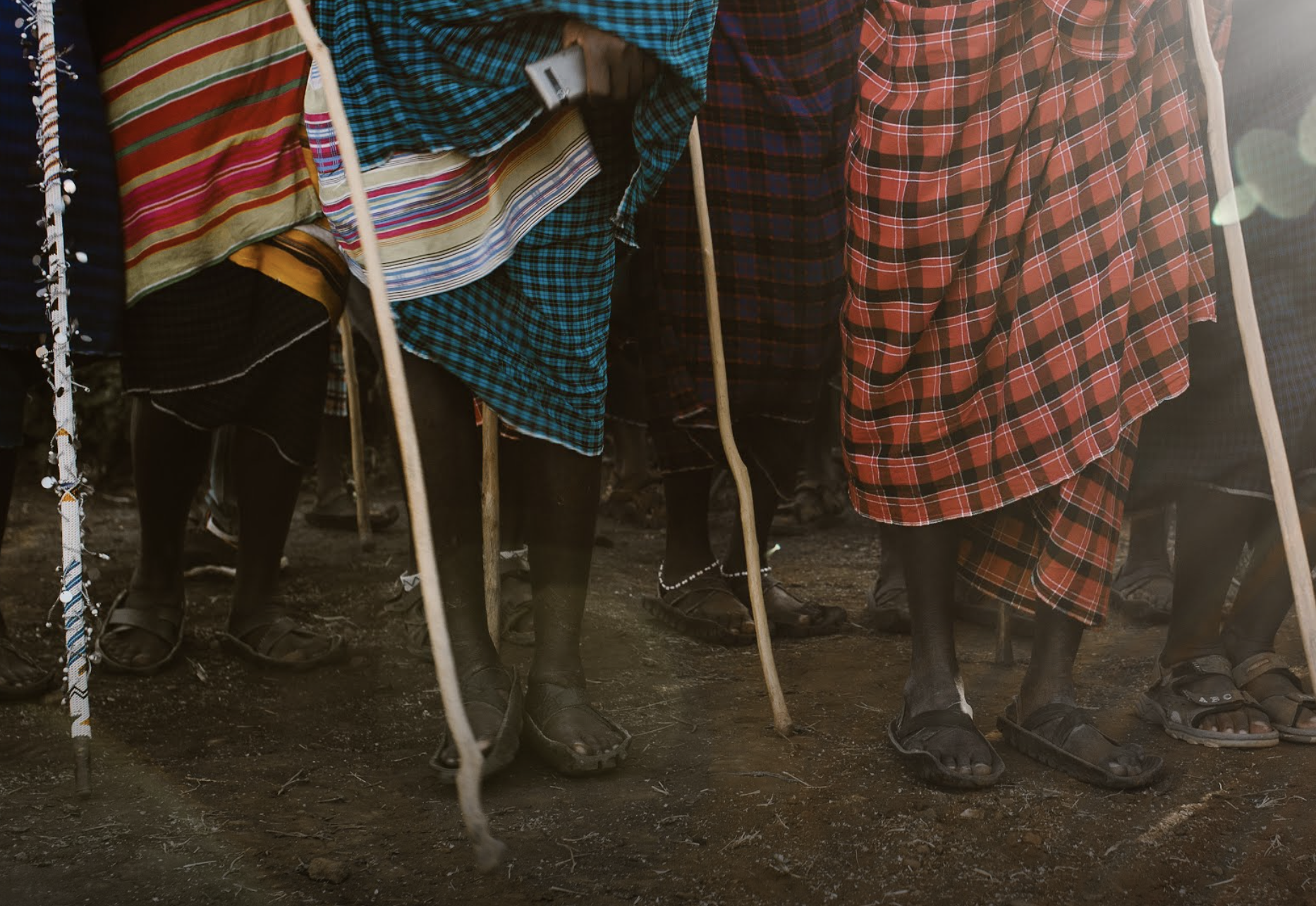
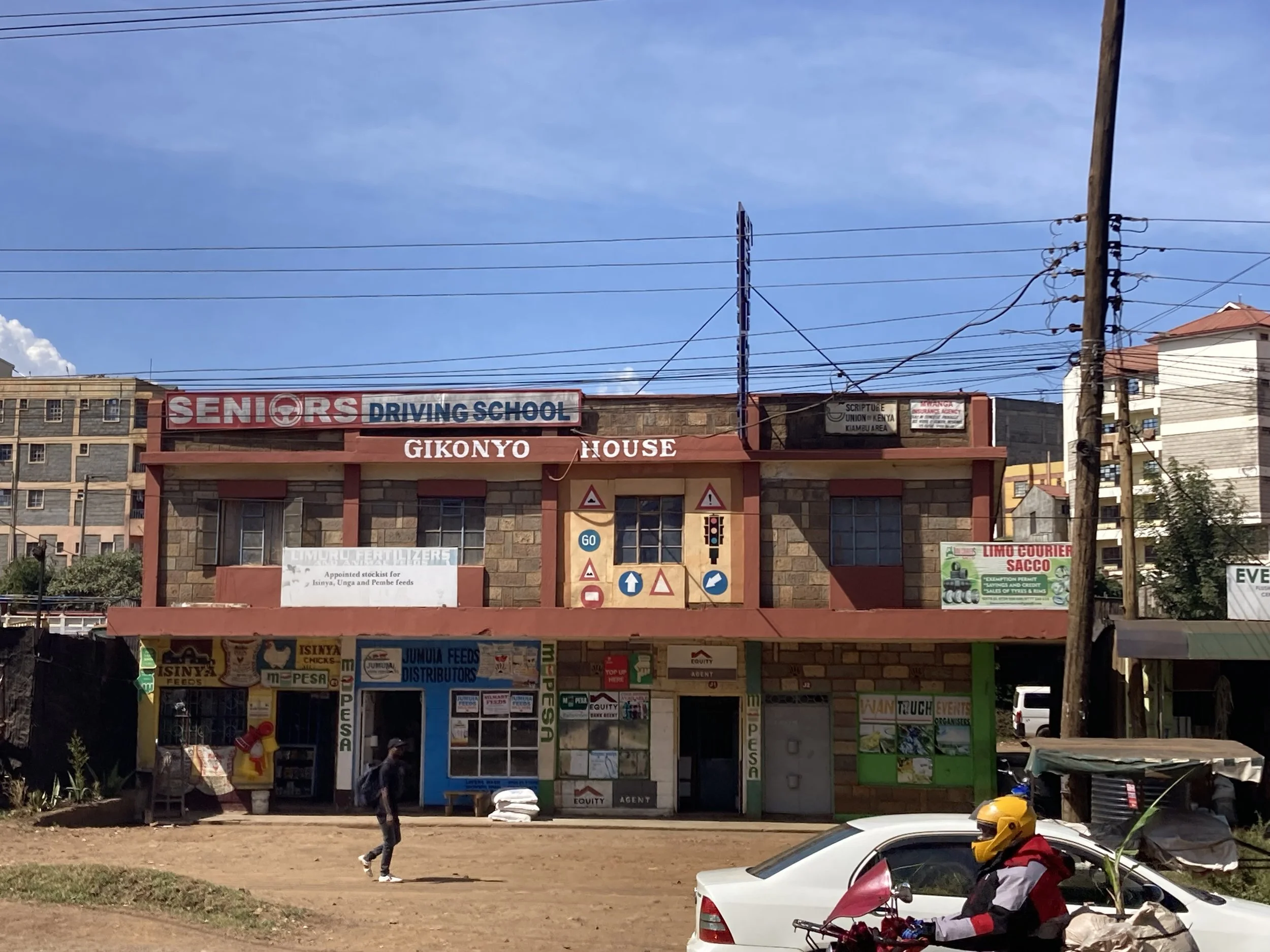
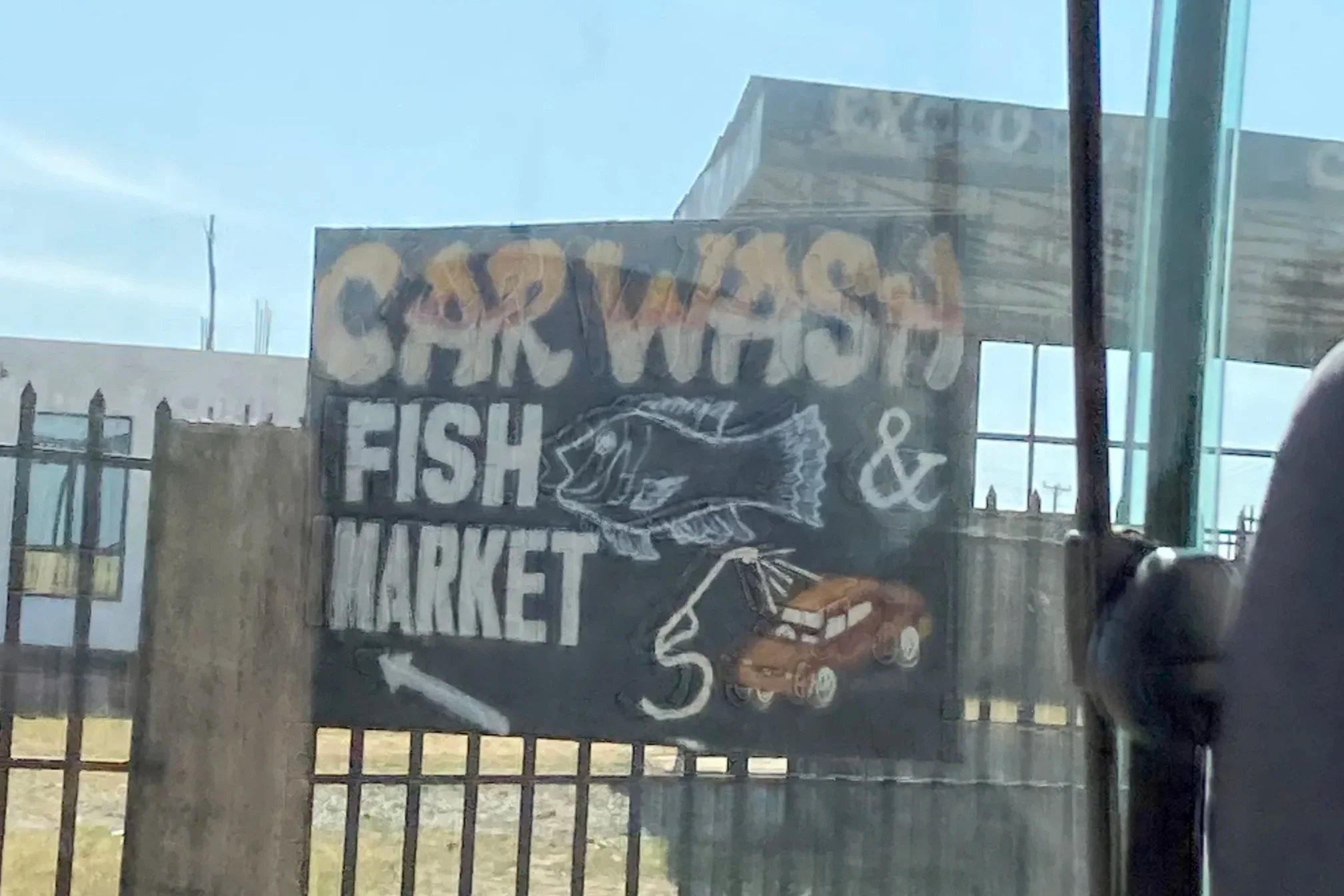
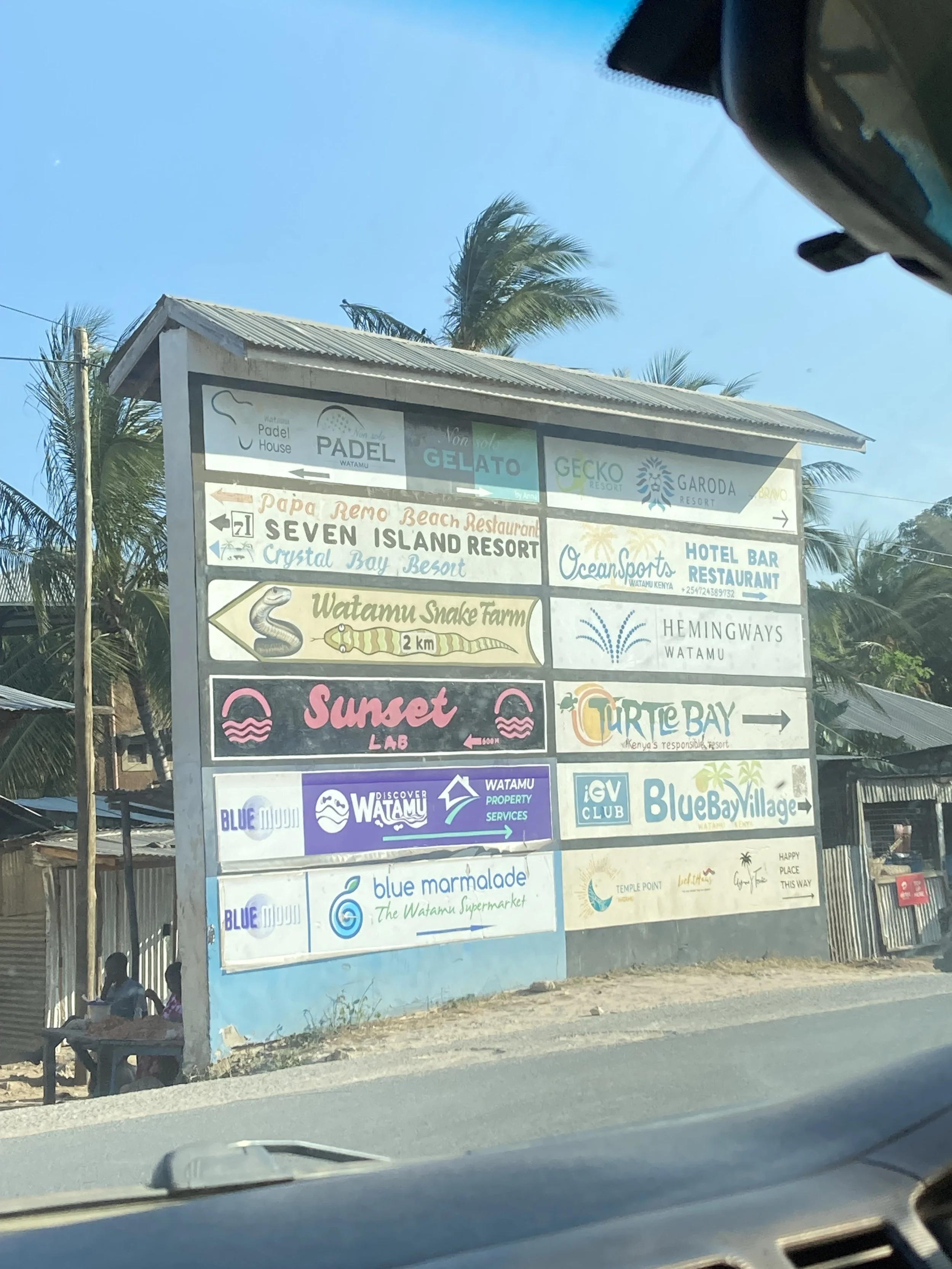
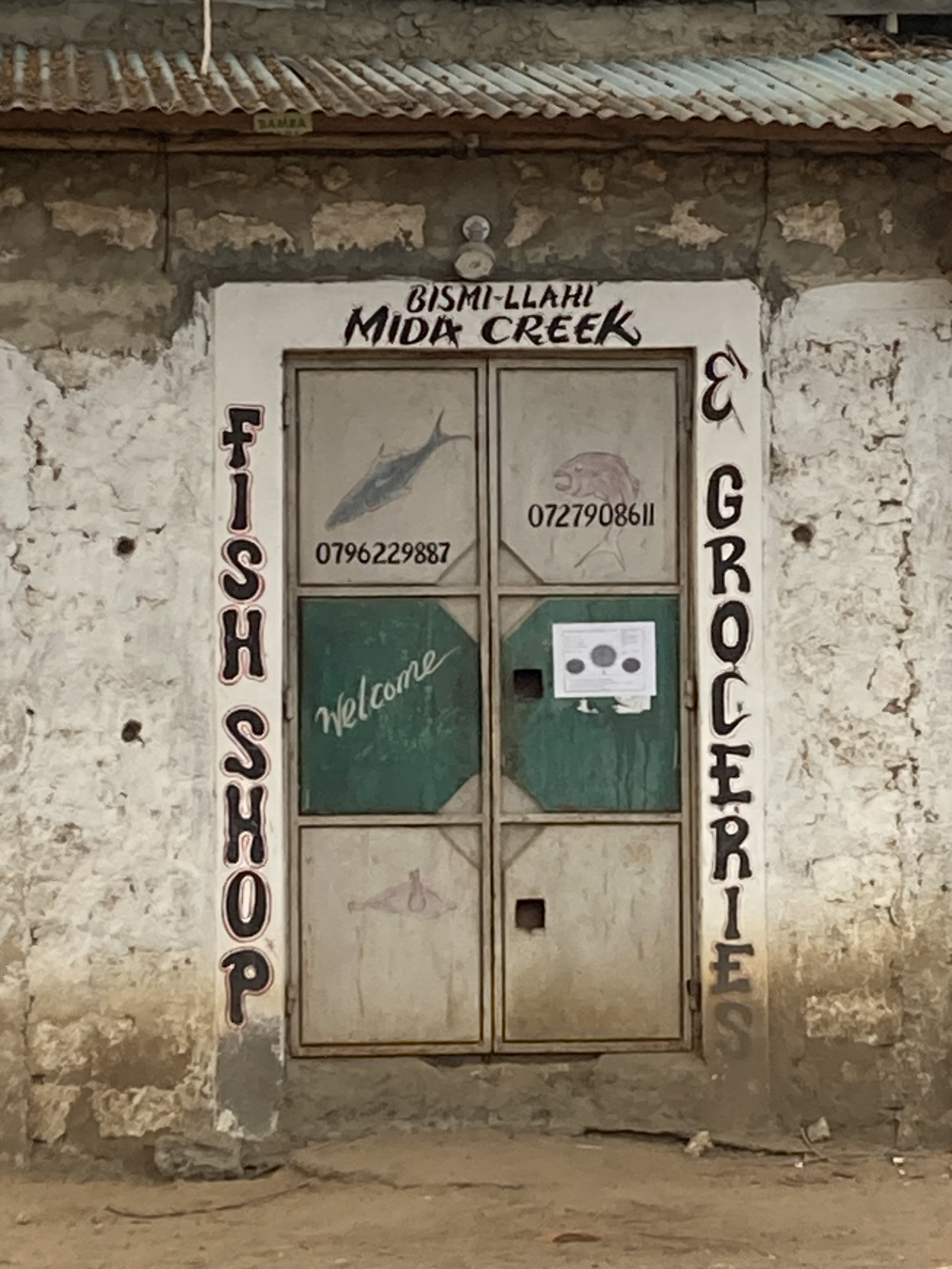
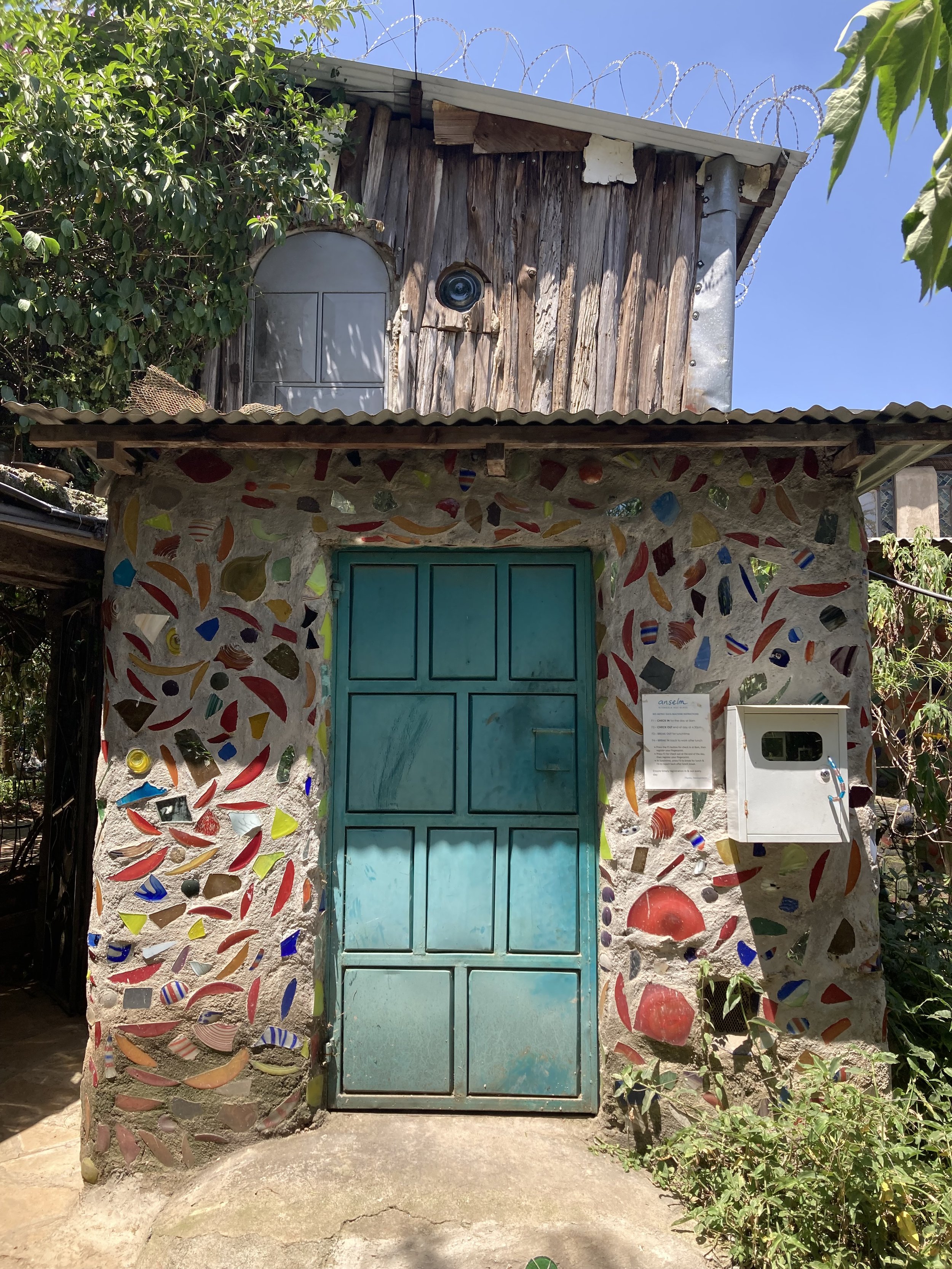
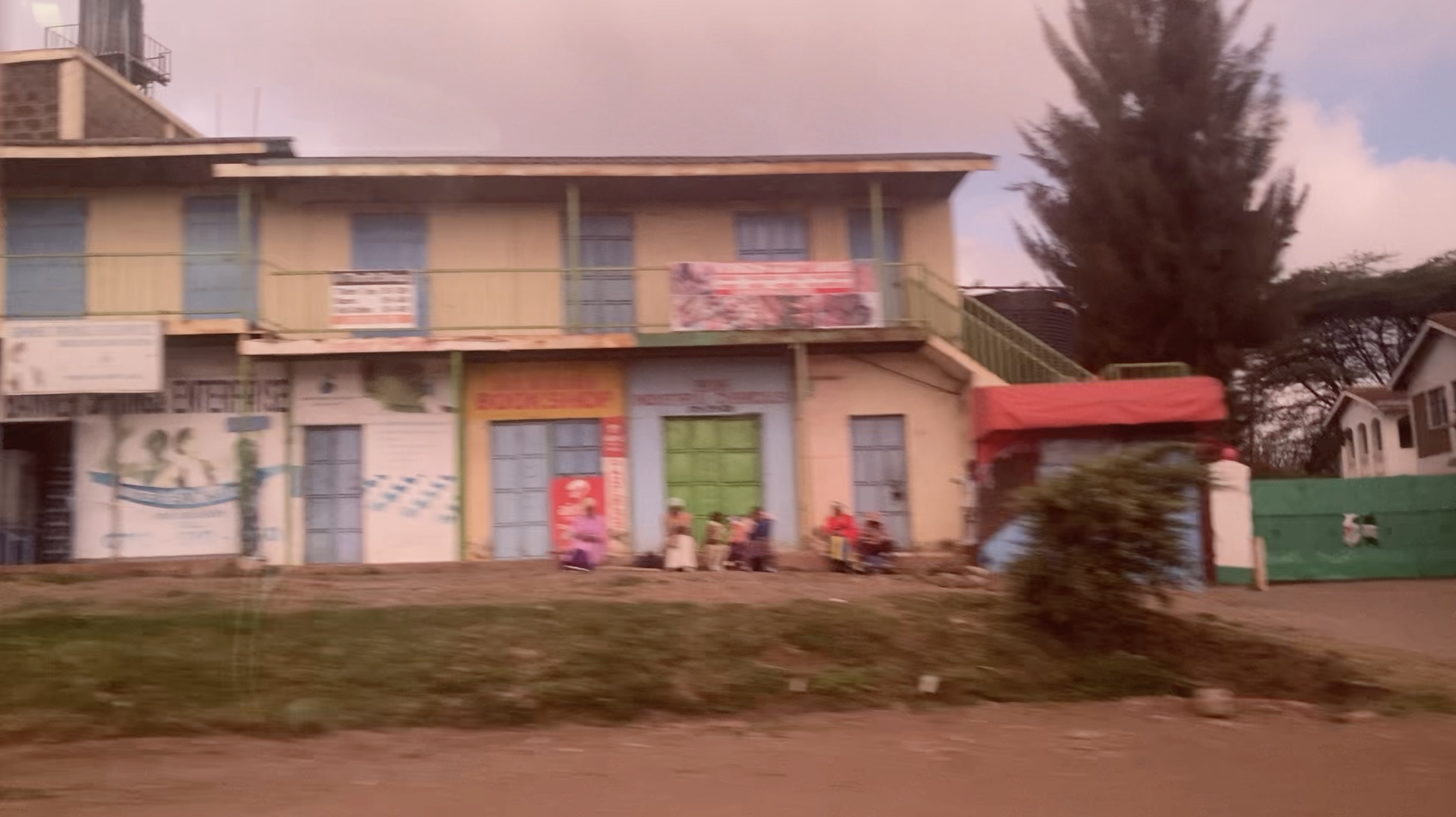
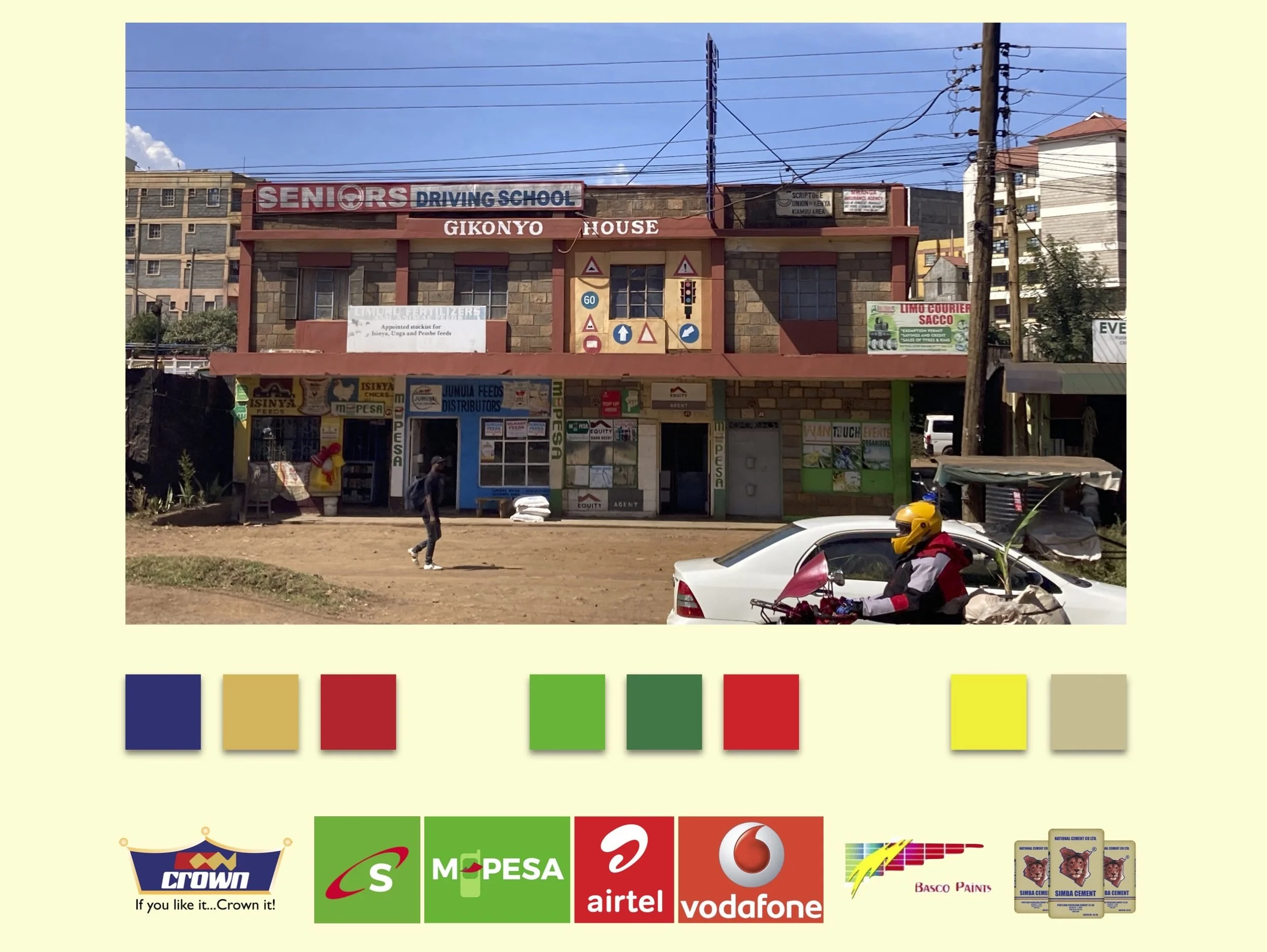
Nairobi was all about color and communication: hand-painted signs, lime green and cherry red, Maasai Shukas (not Scottish tartan), MPESA ACCEPTED HERE. Everything about Nairobi felt more hands-on. Advertising was at once overwhelming and enthralling. Connected by colors, sayings, fonts and icons that wove a cohesive web through it all.
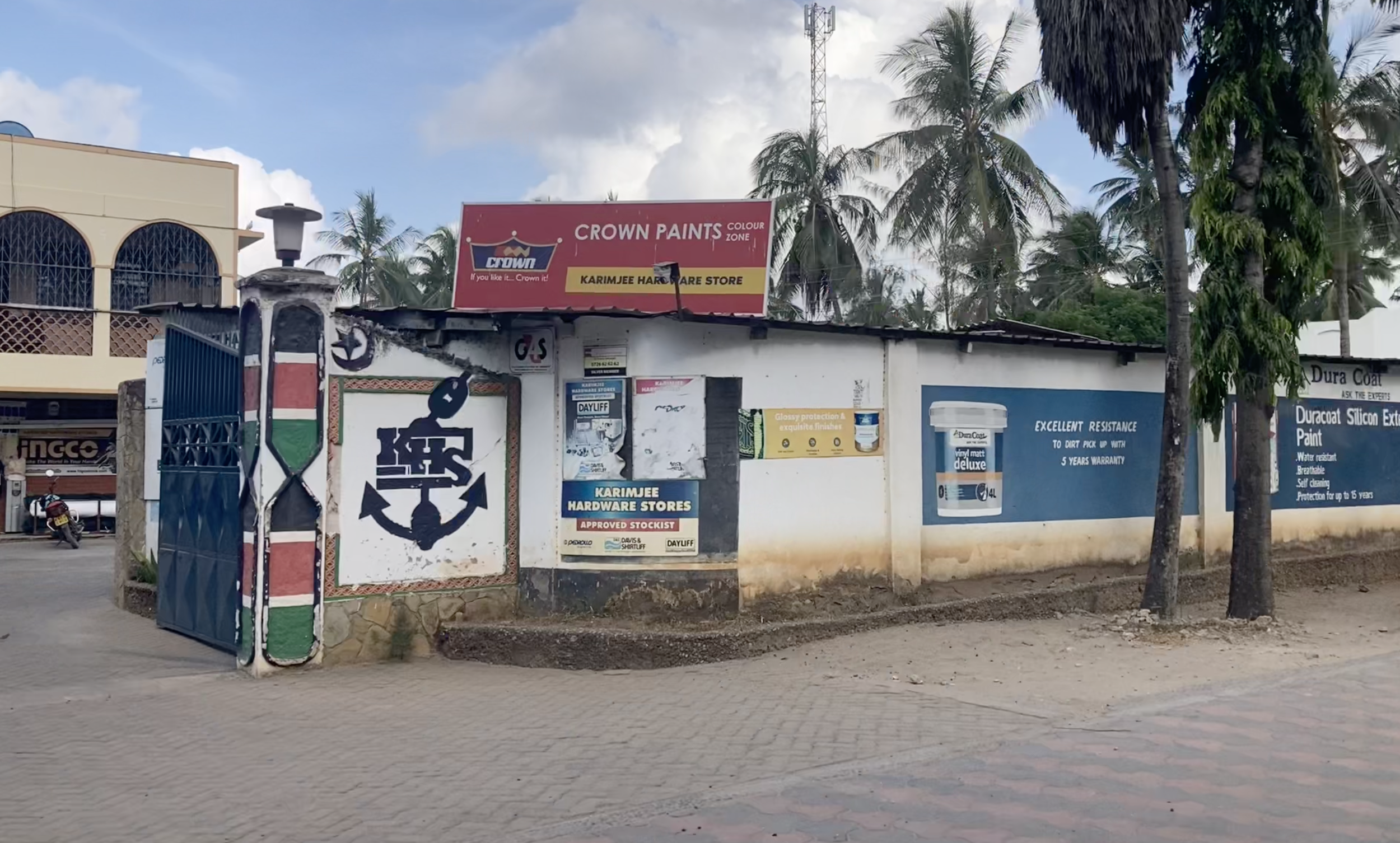
Every wall, facade and highway divide was home for color and an opportunity to advertise. While logos and text were available in excess, it was the pervasiveness of ‘signature colors’ that truly struck me. On the backs of mopeds and between jammed seats of matatus, there isn’t time to leisurely read and reflect on what is being written. Rather, glints of color and pattern charge your senses with the businesses that surround your life.
These colors not only appeared as accents or frames, but often engulfed full houses, buildings and complexes. Which got me thinking about Mexico. There is a long and tumultuous history in Mexico between commerce, children’s health, access to clean drinking water and political power; and it all revolves around Coke. When I lived in Mexico in 2019, I noticed the ubiquity of ‘Coca-Cola red’ and branded materials. Talking to shop owners and friends, I realized that these awnings, chairs, tables, fridges, etc. are given for free by the Coke conglomerate to support small businesses and, al fin, get shit tons of free advertising. On the face it seems like a mutually beneficial partnership, as expressed in this heartwarming ode to years of ‘collaboration’. However, just as in Kenya where companies offer ‘free facelifts’ or ‘weatherproofing’ in exchange for advertising, this dynamic feels deeply unsettling.
Alongside the mega name brands, there are Kenyan companies that add their signature hex codes to the cacophony of color. The MPesa brand totes a a mesmerizing shade of other-worldly green. Blood-thrumming red splashes Airtel across entryways. But the reigning champion of painted branding is Crown Paints— their three-stripes laid throughout the city like a runway. The idea of painting every possible surface as a method of advertising struck me as overwhelmingly simple and exceedingly effective. As I researched more about Kenyan paint companies in general, I was endeared to their online marketing strategies; ‘for the people’ sentiments, mixed with practicality and heartstrings-tugging storylines. Sherman Williams could never… Check out this brief paint playlist: 1) Hans Zimmer should compose this masterpiece, 2) y am I crying?, 3) everybody loves friendly beef, 4) short and sweet).
Before I start waxing prismatic about paint, there is more to share about visual aspects of Maasai heritage that influenced this piece. Every color in Maasai adornment has a theme or purpose: Red symbolizing bravery/unity/blood, Black as holy, White for blessings, peace and health, Blue for energy and sky, Orange and yellow for hospitality, and Green for pasture. These patterns and stories are written mainly in fabric (shuka) and beads (shanga). While the historic introduction of the shuka to Maasai communities is not certain, the origin likely stems from the inculcation of missionary service during the colonization of East Africa. The cotton cloth (visually similar to Scottish tartan) replaced traditional leather garments and has become one of the most identifiable aspects of the modern Maasai, next to the shanga.
Shanga, the swahili word for bead, is a whole other rabbit hole I encourage you wholeheartedly to dive into (come, here, Alice). Before the 19th century, the prominent materials for beads varied in relation to environmental and historic factors, utilizing materials such as shell, bone, wood, etc. It was not until the introduction of European trade when pigmented, glass beads made their way onto the thread.
—
This month’s mailer is meant to pay homage to the busy and bold artisans of the city. In it you will find traces of my gleaned learning; moments of color, artistry, culture and motion. However, just as the piece invites you to move and look, touch and question, it speaks most wholly to the unfinished conversation I feel is left for me in Nairobi. I hope to be back soon. So, to all the drills with Hillary, the untold histories at Safaricom, the crab holes left unsifted, and open-ended apologies— accept this postcard from me, as placeholder, en route back to you.
Commercial:
1) Aguas negras del imperio yanqui, El Soberano, (web)
2) Violaciones de derechos humanos por parte de Coca Cola en Colombia, CETIM, (web)
3) Top global brands accused over controversial 'painted home' adverts in Africa, The Ecologist, (web)
4) Crown Paints: About Us, History
Heritage & History:
1) The Poetry of Patterns & Decoding The Maasai Colors, Google Arts & Culture, (web)
Artistic Practice:
1) End of an era? Court ban puts Nairobi’s ‘nganya’ art on wheels, jobs at risk, Daily Nation, (web)
2) Public-making in a pandemic: The role of street art in East African countries, Political Geography, (PDF)
3) @handpaintedkenya
Sorry not sorry, this will be stuck in your head forever.